The Ultimate Guide to Audio Production Services: From Concept to Completion


Audio production is an intricate process that transforms raw sound into polished audio content. Whether you're a musician, podcaster, or filmmaker, understanding the stages of audio production can enhance your project's quality. This guide takes you through the crucial steps from concept to completion.
Understanding the Basics of Audio Production
Audio production involves several stages, each contributing to the final product. It's essential to grasp the basics before diving into the details. The process typically includes pre-production, recording, editing, mixing, and mastering. Each stage requires a unique set of skills and tools.
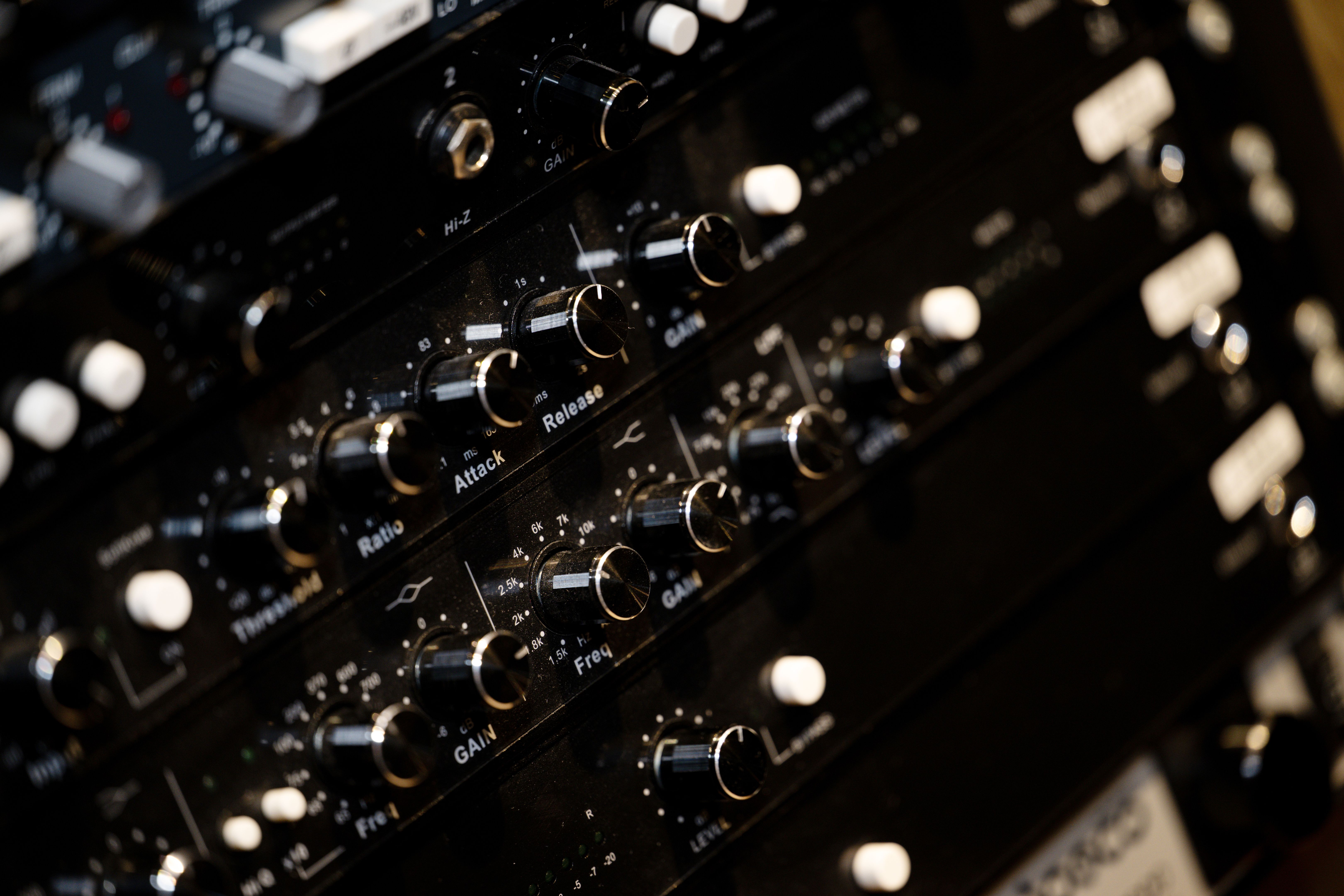
Pre-Production: Planning and Conceptualization
Pre-production is the planning phase, where you define your project's goals and requirements. This stage involves scriptwriting, selecting equipment, and setting a budget. A well-structured plan ensures a smooth workflow and minimizes unexpected challenges during production.
During pre-production, consider the following steps:
- Define the project's purpose and audience.
- Create a detailed script or storyboard.
- Choose the right equipment and software.
- Set a realistic timeline and budget.
Recording: Capturing Quality Sound
Recording is where the magic begins. This stage involves capturing audio using microphones and other recording equipment. The key is to focus on quality, as poor recordings can be challenging to fix later. Consider the acoustics of your recording environment and use high-quality microphones to capture clear sound.

Editing: Refining Your Audio
Editing is the process of refining and arranging your audio clips. This stage allows you to remove unwanted noise, correct errors, and enhance the overall sound. Software like Pro Tools or Audacity can be invaluable during this phase. The goal is to create a seamless and professional audio experience.
Mixing: Balancing and Enhancing
Mixing involves balancing individual audio tracks to create a cohesive sound. This stage requires adjusting levels, adding effects, and ensuring each element complements the others. A skilled mix engineer can transform raw recordings into a harmonious blend that enhances the project's impact.

Mastering: Finalizing the Product
Mastering is the final polishing step, where your audio is optimized for distribution. This process enhances the sound quality, ensuring consistency across different playback systems. A well-mastered track will sound great whether played on headphones, speakers, or through a car stereo.
Key aspects of mastering include:
- Applying equalization and compression.
- Ensuring volume consistency.
- Preparing the audio for various formats.
Conclusion: Bringing It All Together
The journey from concept to completion in audio production requires careful planning and execution. By understanding each stage and utilizing the right tools and techniques, you can produce high-quality audio content that resonates with your audience. Whether you're working on a small project or a large production, the principles remain the same. Embrace the process, and let your creativity shine.